.png&w=1920&q=75)
- Date
How to Sell Handmade Products Online Successfully in 2026?
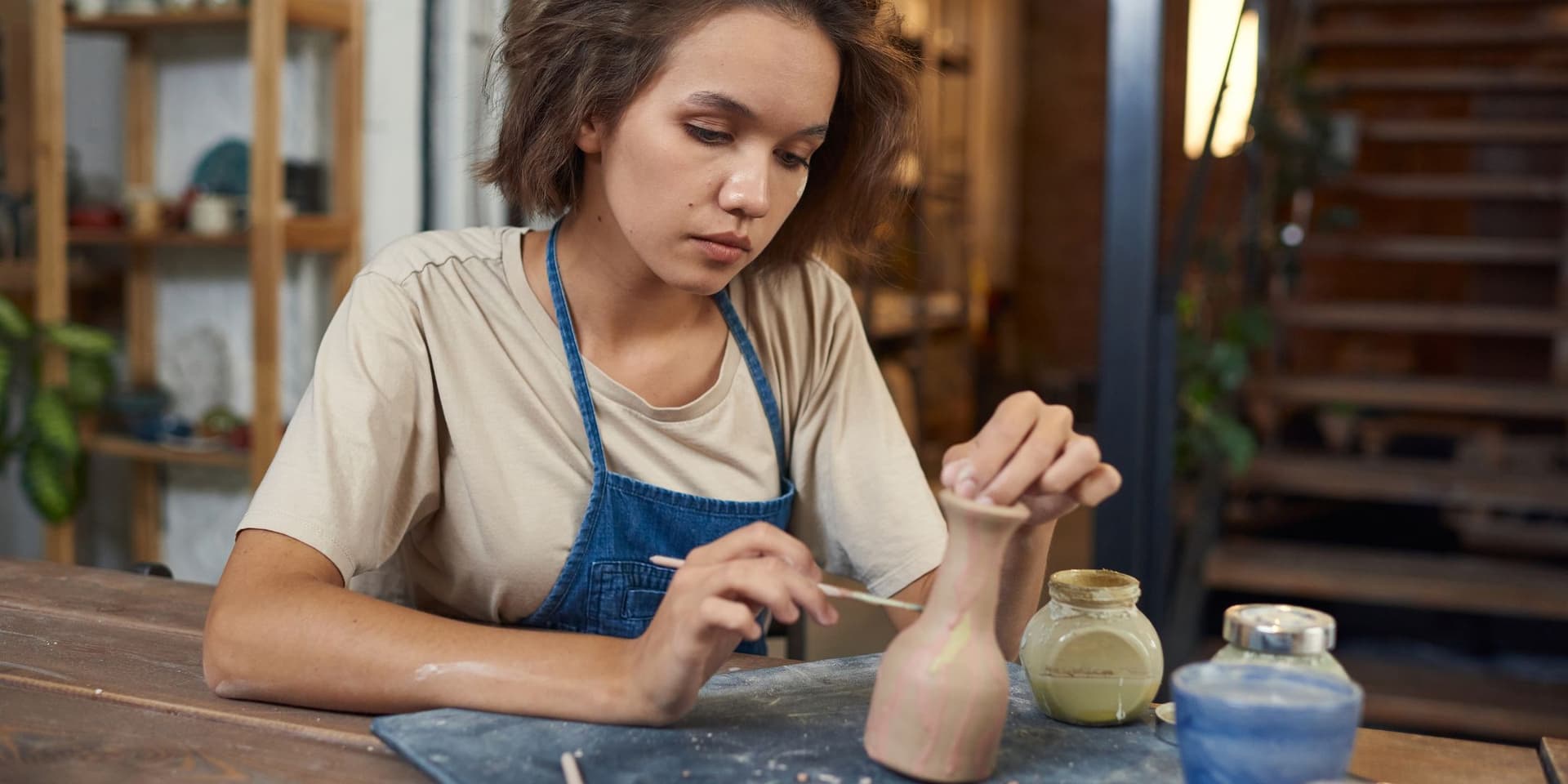
Many artisans know how to create beautiful products. What feels unclear is how to sell handmade products online in a way that is steady, profitable, and sustainable.
You may have talent. You may already have finished pieces sitting at home. But questions quickly follow:
Where should I sell?
How do I price my work?
What makes buyers choose one seller over another?
If you want to build a real handmade business in 2026, you need more than a listing. You need clarity, positioning, and the right platform — ideally, an authentic handmade marketplace that values artisan marketplace authenticity.
This guide walks you through the process step by step.
What You Need to Succeed in the Online Handmade Market
Selling online is no longer just about uploading photos. It’s about building trust, communicating value, and choosing systems that support long-term growth.
Let’s break it down clearly.
Step 1: Choosing the Right Platform to Sell Handmade Products Online
Not all marketplaces work the same way.
Some are open platforms. Anyone can join; the volume is high, and the competition is intense.
Others are curated. They prioritize artisan marketplace authenticity and protect the value of craft.
When choosing where to sell, consider:
- Who is the target buyer?
- Does the platform support genuine handmade work?
- Are fees transparent?
- Does it protect pricing integrity?
- Does it highlight artisan stories?
If your goal is long-term brand building, a curated platform often provides better visibility and trust.
An authentic handmade marketplace creates space for your work to stand out without competing against factory-made imitations.
AFOMA Marketplace, for example, focuses on artisan-first discovery, helping makers connect with buyers who value craftsmanship and cultural context.
Step 2: Creating a Strong Artisan Profile That Builds Trust
Buyers don’t just purchase products. They purchase stories and credibility.
Your artisan profile should clearly answer:
- Who are you?
- What inspired your craft?
- Where are your materials sourced?
- What makes your technique unique?
Keep it simple. Be honest. Avoid exaggeration.
Include:
- A clear profile photo
- Images of your workspace
- A short but meaningful brand story
- Your mission or values
Strong profiles improve conversion because they reduce doubt. They signal authenticity before the buyer even reads the product description.
Step 3: Writing Product Descriptions That Actually Convert
Many artisans describe what the product is. Fewer explain why it matters.
A strong product listing includes:
1. Clear headline
State what it is, material, and purpose.
Example:
“Handwoven Raffia Storage Basket – Natural Fibre Home Decor”
2. Benefits, not just features
Instead of:
“Made from cotton.”
Try:
“Soft, breathable cotton that makes it comfortable for everyday use.”
3. Use-case clarity
Help buyers imagine it:
- Where will they place it?
- When will they use it?
- Who is it perfect for?
4. Transparent details
Include:
- Dimensions
- Materials
- Care instructions
- Shipping timeline
Clarity builds confidence. Confidence increases sales.
Step 4: Price Handmade Products for Profit and Growth
Pricing is one of the biggest mindset shifts when you start to sell handmade products online.
Many artisans underprice. Not because their work lacks value, but because they fear losing buyers.
Strong handmade pricing strategies include:
Calculate true costs
Include:
- Materials
- Packaging
- Shipping
- Platform fees
- Your labor time
Pay yourself fairly
Your skill has value. Your experience has value. Your time has value.
Avoid racing to the bottom
On open marketplaces, price competition is intense. In curated platforms, pricing is often more respected because authenticity is protected.
When artisan marketplace authenticity is maintained, buyers understand why handmade costs more than mass-produced goods.
Step 5: Build Repeat Customers When You Sell Handmade Products Online
One-time sales are helpful. Repeat customers build stability.
Ways to encourage repeat purchases:
Deliver consistently
Meet shipping timelines. Package thoughtfully.
Follow up
Send a thank-you message. Ask for feedback.
Build an email list
Even a small list of loyal buyers can drive consistent revenue.
Offer limited collections
Seasonal or small-batch releases create anticipation.
Stay visible
Update listings. Refresh photos. Introduce new variations.
Customer retention costs less than customer acquisition. A strong handmade business focuses on relationships, not just transactions.
Handmade Products That Sell Best Online in 2026
Trends change, but some categories remain strong:
- Home décor with cultural storytelling
- Sustainable lifestyle products
- Functional fashion accessories
- Artisan-crafted gift items
- Limited-edition handcrafted pieces
Before expanding your collection, research demand:
- Look at trending searches
- Study seasonal buying cycles
- Observe competitor positioning
Then align creativity with market interest, without compromising authenticity.
Authenticity Matters More Than Ever
Buyers are more informed in 2026.
They ask:
- Who made this?
- Is this truly handmade?
- Is the price fair?
- Where do materials come from?
An authentic, handmade marketplace answers these questions through structure and standards.
When platforms protect artisan marketplace authenticity, everyone benefits:
- Buyers feel confident.
- Artisans maintain value.
- Pricing remains sustainable.
This ecosystem supports long-term growth instead of short-term volume.
How AFOMA Supports Artisans Selling Online
AFOMA Marketplace is built around craft discovery and authenticity.
It focuses on:
- Highlighting real artisans
- Supporting transparent storytelling
- Protecting handmade integrity
- Encouraging sustainable handmade business growth
Instead of overwhelming sellers with competition, it creates a curated environment where craftsmanship is respected.
For artisans who want to sell handmade products online with credibility and cultural context, this approach makes a meaningful difference.
Turning Your Craft Into Consistent Online Sales
Selling handmade online in 2026 is not about chasing trends. It’s about clarity, positioning, and choosing systems that support your growth.
Choose the right platform.
Tell your story well.
Price with confidence.
Build relationships, not just listings.
If you’re ready to grow your handmade business in a space that values authenticity, start selling on AFOMA Marketplace today.
FAQs
1. What is the best way to sell handmade products online in 2026?
Choose a curated marketplace, create a strong artisan profile, write clear product descriptions, price accurately, and focus on repeat customers for sustainable growth.
2. How do I start a handmade business online?
Select a trusted platform, calculate your pricing carefully, create professional listings, and promote consistently while maintaining artisan marketplace authenticity.
3. How should I price handmade products online?
Include material costs, labour time, packaging, shipping, and platform fees. Ensure your pricing supports profit while reflecting craftsmanship and value.
4. Do I need social media to sell handmade products online?
Social media helps, but it’s not mandatory. A strong listing strategy and presence on an authentic handmade marketplace can drive steady traffic.
5. What makes an authentic handmade marketplace different?
It verifies artisans, enforces quality standards, protects pricing integrity, and prioritizes genuine craft over mass-produced listings.
