.png&w=1920&q=75)
- Date
The Role of Marketplace Curation in Ensuring Authentic Handmade Products
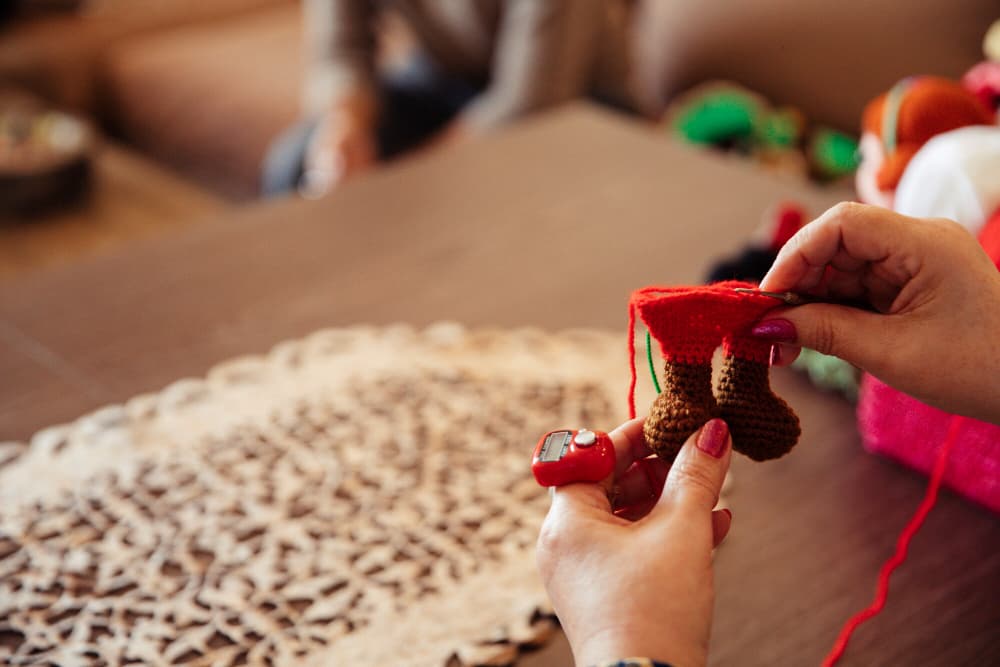
Buying handmade should feel personal.
A story. A skill. A real human behind the product.
Yet today, many buyers struggle to tell whether something is truly handmade or simply labeled that way. As large platforms open their doors to more sellers, the line between handcrafted and mass-produced continues to blur.
This is why the idea of an authentic handmade marketplace matters more than ever. Not just as a place to sell, but as a system that protects craft, supports artisans, and helps buyers trust what they are purchasing.
Marketplace curation is no longer optional. It is the backbone of authenticity.
Why Authenticity Is Becoming a Challenge in Handmade Marketplaces
The global demand for handmade products has grown fast. So has competition.
Open marketplaces often allow anyone to list products with minimal checks. While this increases variety, it also creates problems:
- Factory-made goods marketed as handmade
- Resellers posing as artisans
- Inconsistent quality and unclear sourcing
- Erosion of buyer trust
For genuine artisans, this environment is difficult. Their work is compared on price rather than skill. Their stories are buried under volume.
For buyers, it creates doubt. Is this handcrafted or mass-produced? Is the price fair? Is the artisan real?
These challenges highlight why artisan marketplace authenticity depends on more than product tags. It depends on how the marketplace itself is built.
What Is Marketplace Curation in a Handmade Marketplace?
Marketplace curation means making intentional choices about who can sell, what can be listed, and how products are presented.
In a curated handmade marketplace, platforms actively:
- Review artisans before onboarding
- Define what qualifies as handmade
- Set quality and sourcing standards
- Remove listings that do not meet the criteria
Curation shifts the focus from quantity to credibility.
Instead of being a digital flea market, the platform becomes a trusted destination for genuine craft discovery.
Curated vs Open Marketplaces: Which Protects Handmade Better?
Open marketplaces
Open platforms prioritize scale. Anyone can join. Verification is limited. Oversight is minimal.
Pros
- Large product variety
- Low entry barriers
Cons
- High risk of imitation goods
- Weak authenticity control
- Price undercutting
- Difficult for real artisans to stand out
Curated marketplaces
Curated platforms prioritize trust and long-term value.
Pros
- Strong authenticity signals
- Clear artisan identity
- Better pricing confidence
- Higher buyer trust
Cons
- Slower onboarding
- Smaller but higher-quality catalog
When it comes to protecting handmade integrity, curation consistently performs better. It aligns incentives for artisans, buyers, and the platform itself.
How Marketplace Curation Supports an Authentic Handmade Marketplace
Curation is not about gatekeeping. It is about setting standards that protect everyone involved.
Clear definitions of handmade
A curated marketplace defines what “handmade” means within its ecosystem. This removes ambiguity and sets shared expectations.
Artisan verification
Verification may include:
- Process documentation
- Studio images
- Material sourcing details
- Artisan profiles and stories
These steps discourage resellers and build transparency.
Quality benchmarks
Curation ensures products meet minimum quality standards without forcing uniformity. Craft remains diverse, but never misleading.
Fair visibility
Instead of pay-to-win visibility models, curated platforms highlight craftsmanship, technique, and cultural value.
Policies and Community Standards That Build Trust
Strong policies are invisible when done well, but powerful in impact.
Effective handmade marketplaces enforce:
- Zero tolerance for misrepresentation
- Clear consequences for policy violations
- Transparent dispute resolution
- Community reporting mechanisms
Community standards matter just as much. When artisans know they are part of a values-driven ecosystem, behavior improves naturally.
This combination of policy and culture is what separates a marketplace from a catalog.
Why Authenticity Impacts Handmade Pricing and Sustainability
Authenticity and pricing are closely linked.
When handmade products are mixed with factory-made goods, pricing collapses. Buyers compare based on cost, not craft.
In a curated environment:
- Buyers understand why handmade costs more
- Artisans’ priceis based on time and skill
- Sustainable income becomes possible
This directly supports healthier handmade pricing strategies. It also protects cultural crafts that cannot survive race-to-the-bottom pricing.
A curated marketplace gives artisans permission to price honestly.
How AFOMA’s Artisan-First Model Protects Genuine Craft
AFOMA Marketplace was built with a clear belief: African handmade deserves context, credibility, and care.
Rather than operating as an open listing site, AFOMA focuses on:
- Artisan-led storytelling
Cultural and craft education - Transparent product origins
- Long-term artisan growth
AFOMA’s approach to marketplace curation ensures that buyers are not just purchasing objects. They are engaging with living craft traditions.
This model supports:
- Discoverability without dilution
- Authentic representation of African artisans
- Trust-driven growth for handmade businesses
By centering artisans instead of algorithms, AFOMA strengthens the handmade ecosystem from the ground up.
Why Buyers Are Actively Seeking Curated Handmade Marketplaces
Buyer behavior is changing.
Shoppers today:
- Research before purchasing
- Question sourcing and ethics
- Value transparency over volume
This shift is why curated platforms are gaining traction globally. Buyers want confidence that their purchase supports real people, not hidden supply chains.
An authentic, handmade marketplace answers that need clearly.
The Future of Handmade Marketplaces Is Curated, Not Crowded
As handmade continues to grow online, platforms will be judged not by how many sellers they host, but by how well they protect craft integrity.
Curation is becoming a competitive advantage.
Authenticity is becoming a trust signal.
Education is becoming part of the product.
Platforms that invest in these areas will define the next chapter of handmade commerce.
AFOMA Marketplace is part of this shift — quietly building a space where craft is respected, not rushed.
If you care about discovering genuine handmade products and the stories behind them, explore the AFOMA marketplace designed to protect authenticity.
FAQs
What is an authentic handmade marketplace?
An authentic handmade marketplace verifies artisans, enforces clear standards, and ensures products are genuinely handcrafted rather than mass-produced or resold.
Why is marketplace curation important for handmade products?
Curation protects buyers from imitation goods and helps genuine artisans stand out by maintaining quality, transparency, and trust across the marketplace.
How do curated marketplaces support artisan marketplace authenticity?
They verify artisans, define handmade criteria, remove misleading listings, and highlight craftsmanship instead of competing purely on price.
Can handmade marketplaces still scale with curation?
Yes. Curated marketplaces grow sustainably by focusing on trust, repeat buyers, and long-term artisan success rather than unchecked volume.
How does curation affect handmade business pricing?
Curation supports fair handmade pricing strategies by helping buyers understand value, allowing artisans to price based on skill, time, and tradition.
