.png&w=1920&q=75)
- Date
How to Price Handmade Fashion Products for Profit?
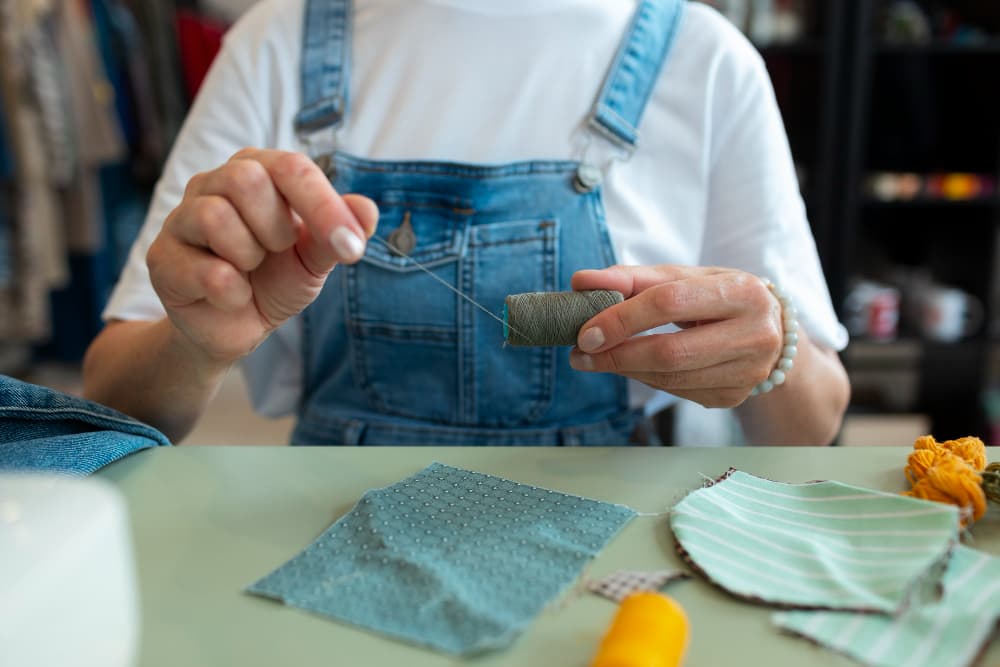
Pricing is one of the hardest parts of building a handmade brand. Many creators of handmade fashion products worry about setting prices too high and losing buyers, or too low and undervaluing their work. If you plan to sell handmade products online, pricing becomes even more important because buyers cannot physically see or feel the product before purchasing.
This blog helps you understand how to price your work with clarity and confidence. It goes beyond basic calculations and shows how pricing connects to value, perception, and long-term growth in a handmade business.
Why Pricing Handmade Fashion Products Feels So Difficult
Unlike mass-produced clothing, handmade fashion is deeply personal. Each piece reflects time, skill, and creativity. That makes pricing feel emotional.
Many artisans compare their prices to fast fashion brands. This creates pressure to lower prices. But the two are not comparable. Handmade pieces involve limited production, detailed craftsmanship, and unique design.
Another reason pricing feels difficult is uncertainty. Artists often ask:
- Will customers pay this price?
- Am I charging too much?
- Will I lose sales?
These questions are valid. But pricing should not be based only on fear. It should be based on value, cost, and positioning.
What Costs Should You Include When Pricing Handmade Fashion Products?
Before setting a price, it is important to understand your true costs. Many artisans underestimate this step.
Include the following:
- Fabric and raw materials
- Tools and equipment used
- Time spent creating the piece
- Packaging and labeling
- Shipping and logistics
- Marketplace or platform fees
Your time is a major factor. Handmade fashion often includes techniques like embroidery, weaving, or hand-dyeing. These take hours or even days.
A simple pricing structure can help:
(Material Cost + Labor Cost + Overheads) + Profit Margin = Final Price
This approach gives you a clear baseline before adjusting for market positioning.
How to Price Handmade Clothing Without Undervaluing Your Work
Understanding how to price handmade clothing requires a shift in mindset.
There are two main approaches:
Cost-Based Pricing
You calculate all expenses and add a margin. This ensures you cover costs but may not fully reflect the product’s perceived value.
Value-Based Pricing
You price based on what the product represents to the buyer. This includes uniqueness, craftsmanship, and emotional appeal.
A balanced approach works best. Start with your costs, then adjust based on the value your product offers.
Avoid pricing based on comparison alone. Handmade fashion should not compete with factory-made clothing. It operates in a different category.
Strong handmade pricing strategies focus on sustainability. They allow you to grow your brand without constant price pressure.
How Do Customers Perceive the Price of Handmade Fashion Products?
Pricing is not just about numbers. It is also about perception.
When buyers see handmade fashion products, they look for signals of quality and authenticity. These include:
- Clear product images
- Detailed descriptions
- Story behind the product
- Presentation and branding
Interestingly, very low prices can reduce trust. Buyers may question the quality or authenticity of the product.
Higher pricing, when supported by strong presentation, often increases perceived value.
Customers are not only buying clothing. They are buying:
- Craftsmanship
- Story
- Identity
Understanding this helps you price with confidence.
How to Position Handmade Fashion Products as Premium (Without Losing Sales)
Positioning plays a major role in pricing.
If your product looks premium, buyers are more likely to accept higher pricing. If it looks basic, even a fair price may feel expensive.
To position your products effectively:
- Use clean, well-lit product photography
- Maintain consistent branding
- Highlight materials and craftsmanship
- Share the story behind each piece
You can also focus on a niche:
- Sustainable fashion
- Cultural or heritage-inspired designs
- Minimalist handmade clothing
Clear positioning helps attract the right audience. These buyers value quality over low pricing.
How to Adjust Pricing When You Sell Handmade Products Online Globally
When you sell handmade products online, your audience may include international buyers. Pricing should reflect this.
Consider:
- Currency differences
- Shipping costs
- Import duties in some regions
- Platform transaction fees
Some markets are more familiar with handmade pricing and are willing to pay a premium. Others may be more price-sensitive.
You do not need one fixed price for all markets. Instead, build flexibility into your pricing strategy while maintaining consistency in value.
Clear communication about shipping and timelines also improves buyer trust.
Where Pricing and Platform Choice Work Together
The platform you choose affects how your pricing is perceived.
Here’s a simple comparison:
| Open Marketplaces | Curated Marketplaces |
| High competition | Selective sellers |
| Price-driven decisions | Value-driven buying |
| Mixed product quality | Focus on authenticity |
In open platforms, price competition can be intense. This often pushes artisans to lower their prices.
In curated environments, artisan marketplace authenticity is prioritized. Buyers expect genuine handmade work and are more open to fair pricing.
Choosing an authentic handmade marketplace helps protect your pricing and position your work correctly.
Sell With Confidence. Grow With Purpose.
Pricing handmade fashion products is not about competing with mass-produced clothing. It is about recognizing the value of your work and presenting it clearly.
The way art and fashion are discovered has changed. Artists and creators no longer rely only on traditional channels to reach buyers. Today, they can sell handmade products online and connect directly with audiences who appreciate originality.
Curated platforms now play an important role in this shift. They help maintain authenticity, support fair pricing, and create meaningful connections between creators and buyers.
Platforms like AFOMA Marketplace are built around these values, helping artisans reach global buyers while preserving the integrity of their craft.
FAQs
1. How do beginners price handmade fashion products for the first time?
Beginners can start by calculating material and labor costs, then adding a reasonable profit margin while adjusting based on market demand and product positioning.
2. Why are handmade fashion products priced higher than regular clothing?
Handmade fashion products involve skilled craftsmanship, limited production, quality materials, and time-intensive processes, which naturally increase their value compared to mass-produced clothing.
3. Can I increase prices of handmade fashion products over time?
Yes, prices can increase as your brand grows, demand improves, and your work gains recognition, especially when supported by strong presentation and consistent quality.
4. What mistakes should I avoid when pricing handmade clothing?
Avoid ignoring labor costs, copying competitor prices blindly, underpricing to attract buyers, and failing to communicate the value and story behind your products clearly.
5. How does branding affect handmade fashion product pricing?
Strong branding increases perceived value. Clear visuals, storytelling, and consistent identity help customers understand the product’s worth and accept higher pricing more confidently.
