.png&w=1920&q=75)
- Date
How to Decide Which Handmade Products Deserve Limited Editions
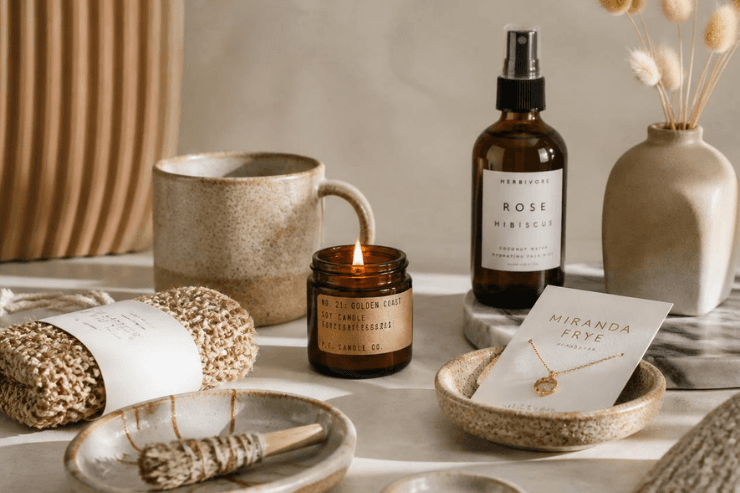
Not every handmade product online needs to become a limited edition. For artisans, making a product available in small quantities can create interest, but it also requires a commitment. Once buyers know a piece will not be available forever, expectations around quality, originality, and value become higher.
The right limited edition can give a handmade business room to experiment with a new design, celebrate a season, collaborate with another creator, or turn a meaningful craft into a collectible piece.
The challenge is knowing which products deserve that treatment.
A limited edition should feel genuinely special, not simply unavailable. It should have a clear reason for its scarcity, a price that reflects its value, and a launch strategy that gives buyers enough context to understand what makes the collection different.
What Makes a Handmade Product Right for a Limited Edition?
A limited edition works best when there is something naturally distinctive about the product.
That difference could come from the material, technique, design, collaboration, occasion, or story behind the piece.
Before creating a limited run, ask:
- Is the design meaningfully different from the regular collection?
- Does the product require a special material or technique?
- Is there a reason the quantity needs to remain small?
- Would buyers value owning one of a defined number?
- Can the story behind the product be explained clearly?
- Can you maintain consistent quality across the entire run?
If the only reason for limiting a product is to make it seem more desirable, it may not be the right candidate.
Scarcity can influence how buyers perceive uniqueness and value, but the strongest limited editions have genuine substance behind that scarcity. Research on limited-edition products has found that both limited quantity and limited availability can affect product evaluations, while more recent research has linked limited quantity and heritage cues with higher perceived brand value and willingness to pay.
When Does a Limited Edition Make Sense?
There are several situations where a limited release can fit naturally into an artisan business.
When You Are Testing a New Design
A small run can be a useful way to introduce an experimental design without committing to large-scale production.
This is especially useful when you are:
- Testing a new color combination
- Introducing a new material
- Exploring a different technique
- Trying a new product category
Instead of producing dozens of pieces, you can create a carefully defined batch and learn from buyer response.
The aim should not be to manufacture demand. It should be to test an idea while giving buyers access to something genuinely different.
When the Materials Are Naturally Limited
Some materials are available only in small quantities.
A particular textile, reclaimed material, seasonal botanical, unusual bead, or locally sourced component may not be easy to reproduce.
That creates a natural reason for a limited collection.
Explain the material clearly. Buyers should understand why the supply is limited and what makes it meaningful.
When the Craft Requires Significant Time
Some handmade techniques cannot be scaled without changing the nature of the work.
If an artisan can produce only a small number of pieces while maintaining the quality of the craft, a limited edition can communicate that reality.
This is particularly relevant for detailed weaving, carving, ceramics, embroidery, jewelry, painting, and other time-intensive crafts.
The limited quantity should reflect the maker’s actual production capacity rather than an arbitrary number.
Seasonal Collections
Seasonal collections can be a strong fit for limited releases when the design connects naturally with the season or occasion.
Think beyond simply adding a seasonal color.
A stronger seasonal collection might be inspired by:
- A local festival
- A harvest season
- A particular landscape
- Seasonal materials
- A cultural tradition
- A specific time of year
The collection can then have a clear beginning and end.
For example, an artisan might create a small series of hand-painted ornaments inspired by a regional celebration. Once the season ends, that particular design may retire.
This gives the collection a clear identity without making artificial claims about scarcity.
Keep Seasonal and Permanent Collections Distinct
A limited seasonal collection should complement your core range rather than replace it.
| Core Collection | Limited Collection |
| Available regularly | Available for a defined period or quantity |
| Represents the brand’s foundation | Introduces something distinctive |
| Consistent designs | Experimental or seasonal designs |
| Supports ongoing sales | Creates a focused launch opportunity |
This distinction also helps buyers understand what they can expect from your brand.
Artist Collaborations to Create Strong Limited Editions
Collaboration can give a limited edition a genuine reason to exist.
Two artisans may combine different techniques. A maker may work with an illustrator, textile artist, ceramicist, designer, or another creative professional to develop something neither would normally produce alone.
The value is not simply in putting two names together.
The collaboration should create a new creative direction.
Before launching one, define:
- What each artist contributes
- What makes the finished product different
- How many pieces will be produced
- How the artists will be credited
- How revenue and costs will be handled
- Whether the design will ever be reproduced
Clear communication protects both the creative relationship and the buyer experience.
For AFOMA Marketplace and its artisan community, collaborations can also create opportunities to connect different craft traditions and perspectives while introducing makers to new audiences.
Limited-Edition & Numbered Products
Numbering can make a small collection feel more tangible.
Instead of simply saying that 25 pieces were produced, an artisan can identify each piece as:
No. 07 of 25
This creates a clear record of the edition.
Numbering works particularly well for:
- Art prints
- Ceramics
- Jewelry
- Sculptures
- Collectible crafts
- Special collaborations
It also gives the buyer a simple way to understand exactly what they own.
However, numbering should only be used when the edition is genuinely fixed. If the collection is described as 1 of 25, producing another 25 later under the same edition can damage trust.
How Do You Create Scarcity Without Manipulating Buyers?
Scarcity is powerful, but it needs to be honest.
There is a major difference between communicating limited availability and manufacturing false urgency.
A transparent limited-edition message might say:
“This collection includes 30 handwoven pieces. Once the edition is complete, this design will not be reproduced.”
That gives the buyer useful information.
A vague message such as “Buy now before it disappears forever” creates urgency without explaining why the product is special.
Use Scarcity to Explain Value, Not Pressure Buyers
A thoughtful limited-edition strategy should answer three questions:
What is limited?
State the quantity, production window, or material clearly.
Why is it limited?
Explain the creative or production reason.
What happens after the edition ends?
Tell buyers whether the design will be retired, redesigned, or potentially revisited.
This approach builds confidence while allowing the product’s uniqueness to speak for itself.
How Should You Price Limited-Edition Handmade Products?
A handmade jwelery or handmade accessories should not automatically carry a higher price simply because it is limited-made.
The price should reflect the additional value and cost involved.
Consider:
- Material costs
- Production time
- Skill level
- Design development
- Packaging
- Collaboration costs
- Number of pieces produced
- Demand
- Brand positioning
A small production run may actually cost more per piece because setup and development costs are spread across fewer products.
At the same time, the product may offer greater artistic value, collectibility, or exclusivity.
A Simple Pricing Framework
| Factor | What to Ask |
| Cost | What does it actually cost to make? |
| Labor | How much time and skill does it require? |
| Edition size | How many pieces will exist? |
| Uniqueness | What makes this version different? |
| Story | What gives the collection additional meaning? |
| Demand | Is there evidence buyers value this type of product? |
| Margin | Does the price support sustainable business growth? |
The goal is fair value, not an inflated price.
This connects limited-edition pricing to a broader principle of sustainable craft: buyers should understand what they are paying for, while artisans should be able to earn fairly from their work.
How Do You Market a Limited-Edition Launch?
A limited edition needs more preparation than a regular listing.
The launch should begin before the products become available.
1. Introduce the Story
Show what inspired the collection.
This could include sketches, materials, process photographs, or a short note from the artisan.
2. Build Interest Before Launch
Give buyers a reason to watch for the collection.
You can share:
- Preview images
- Behind-the-scenes content
- Material stories
- Collaboration details
- Launch dates
3. Make the Edition Details Clear
When the collection launches, state:
- Total quantity
- Price
- Materials
- Dimensions
- Edition number, if applicable
- Availability
- Shipping information
Do not make buyers search for basic information.
4. Keep the Story Going After Launch
Once the collection begins selling, share progress thoughtfully.
For example, you could highlight the making process or introduce individual pieces without repeatedly using urgency-based messaging.
This turns the launch into a story rather than a countdown.
What Should You Avoid When Creating Limited Edition Handmade Products for Online Sale
Limited editions can lose their meaning when every product becomes “exclusive.”
Watch for these common mistakes:
Making Most Products Limited
If every collection has a small quantity, scarcity stops feeling meaningful.
Keep limited releases occasional and intentional.
Choosing a Product Without a Clear Reason
A standard product with a smaller stock level is not automatically a limited edition.
There should be something distinctive about the release.
Overpricing Because It Is Rare
Rarity alone does not determine value.
The product still needs quality, craftsmanship, design, and a clear reason for the buyer to care.
Using Artificial Urgency
Avoid countdowns, “last chance” messages, or quantity claims that do not reflect reality.
Trust takes longer to build than a sale.
Ignoring Your Existing Customers
A limited collection can be a way to reward your existing community, not just attract new buyers.
Consider giving returning customers early access or sharing the story with them first.
How Can a Handmade Marketplace Support Limited-Edition Collections?
An authentic handmade marketplace can give artisans a space to present limited products alongside their regular collections.
For sellers, this creates an opportunity to build different layers of their business:
- Everyday products for consistent sales
- Seasonal products for timely demand
- Limited editions for creative exploration
- Collaborations for new audiences
- Collectible pieces for deeper brand engagement
For buyers, clear presentation helps them understand the difference between a regular handmade product and a special edition.
That distinction matters. A limited edition should feel like a meaningful part of the artisan’s story, not simply another sales tactic.
A Quick Checklist Before Launching Your Limited Edition
Before posting the collection, ask:
- Does the product have a genuine reason to be limited?
- Is the edition size realistic?
- Have production costs been calculated?
- Does the price reflect craftsmanship and value?
- Are all pieces consistent in quality?
- Is the story behind the collection clear?
- Have you defined what happens when the edition sells out?
- Are scarcity claims completely accurate?
- Have you prepared launch content?
- Can buyers easily understand what makes the edition special?
If you can answer these questions confidently, the collection is more likely to feel intentional from both the seller and buyer perspective.
Making Limited Editions Meaningful for Your Handmade Business
A successful limited edition is not defined by how quickly it sells out. Its value comes from the thought behind the product, the quality of the craft, and the story that gives the collection its identity.
For artisans, limited releases can create space to experiment, collaborate, celebrate traditions, and connect with buyers in new ways.
Our artisanal marketplace offers handmade sellers an opportunity to bring these stories, products, and creative ideas to a wider marketplace.
The strongest limited editions do not ask buyers to act out of fear of missing out. They give them a genuine reason to value what has been thoughtfully made.
FAQs
What makes a good limited-edition handmade product?
A strong limited edition has genuine uniqueness, clear production limits, high craftsmanship, and a compelling reason why the product will not be widely reproduced.
How many products should be in a limited edition?
There is no universal number. Choose a quantity based on production capacity, product type, demand, and the level of exclusivity you can genuinely maintain.
Can seasonal handmade products be limited editions?
Yes. Seasonal designs, materials, cultural occasions, and short production windows can provide natural reasons to create a limited-edition handmade collection.
Should limited-edition handmade products cost more?
They can, when additional craftsmanship, materials, creative development, or exclusivity creates genuine value. Pricing should remain fair and sustainable.
How do you market a limited-edition product?
Start with the story, show the creative process, announce the quantity clearly, build anticipation, and provide complete product information at launch.
