.png&w=1920&q=75)
- Date
How Blockchain Prevents “Craft-Washing” for Global Handicraft Artisans
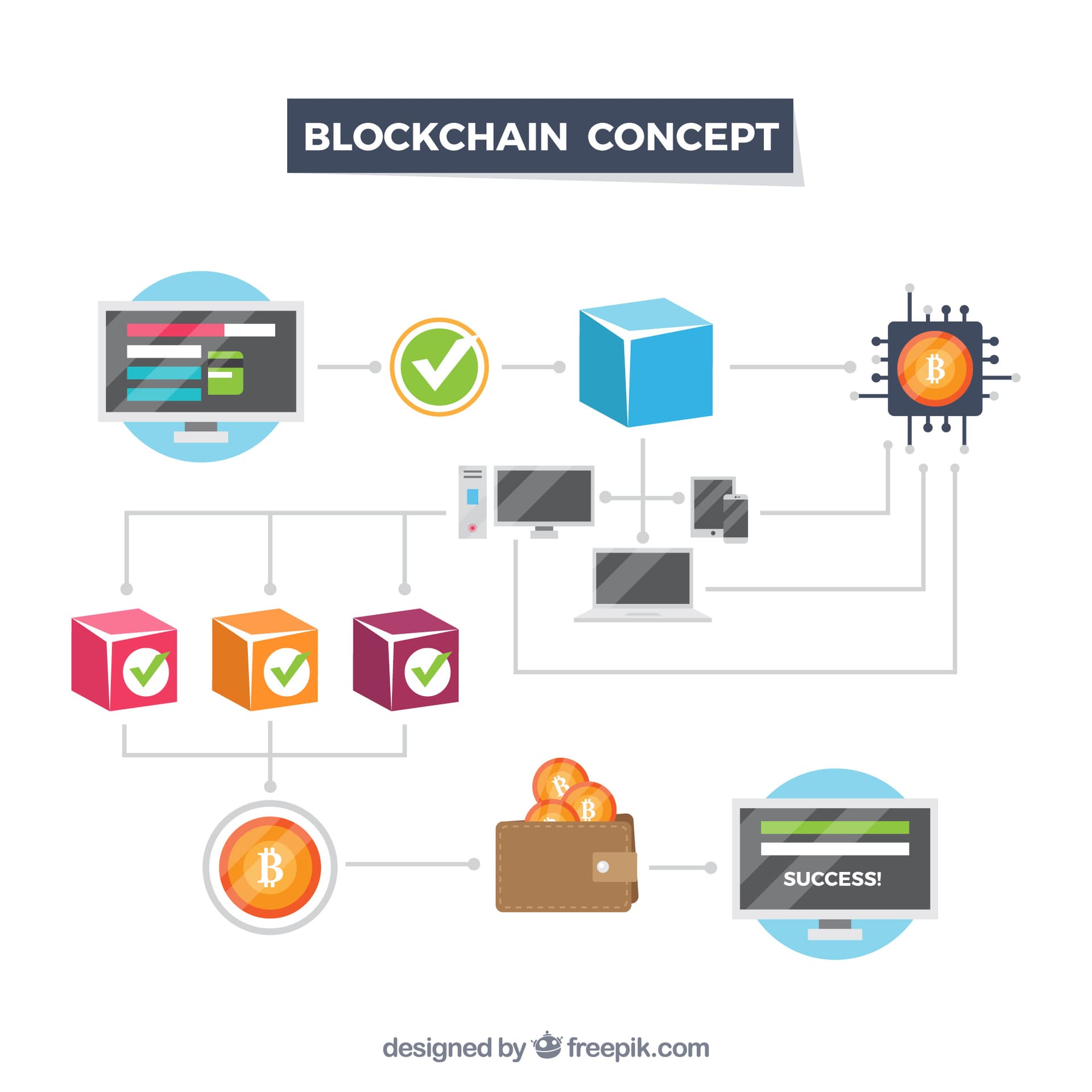
Imagine an artisan spends three weeks hand-beading an intricate necklace, pouring generations of cultural knowledge into every stitch. A month later, they see a plastic, machine-made “copy” selling for $5 at a global big-box retailer, labeled simply as “Authentic Style”; a real craft is washed.
This is the silent predator of the online handicraft business, devaluing ancestral skills and tricking well-intentioned buyers. While it feels like an unstoppable trend, Blockchain technology offers a way to protect the work and identity of original makers.
What is Craft-Washing and Why Does it Hurt Your Handicraft Business?
Craft-washing occurs when mass-produced, machine-made items are marketed using the language of artisans—words like “artisanal,” “authentic,” or “hand-touched”—to justify a higher price point.
For a legitimate handicraft business, craft-washing isn’t just annoying; it’s an existential and economic threat. It creates a “race to the bottom” where real artisans cannot compete with factory prices, leading to the slow death of cultural heritage.
When a customer pays $100 for a “handmade” basket that was actually made in a sweatshop, their trust is shattered. The next time they see a real artisan’s work, they hesitate.
The Impact of Craft-Washing:
- Economic Theft: Money intended for rural creators is diverted to industrial manufacturers.
- Cultural Erosion: When youth see that their parents’ craft is being undervalued by fakes, they abandon the trade for urban factory jobs.
- Consumer Skepticism: Conscious shoppers become “blind” to ethical claims because they no longer know who to trust.
How Blockchain Creates an “Invisible Shield” for Artisans
If craft-washing is built on opacity and vague claims, blockchain is built on radical, unchangeable truth. It is a digital ledger—a record book that nobody can erase, edit, or fake.
For artisans and small business owners in the handicraft sector, this technology acts as a “Digital Passport” for every physical item.
Once a product leaves the artisan’s hands, its story is often lost. It passes through middlemen, exporters, and retailers who might lose (or change) the details of its origin.
With blockchain technology—the foundation of the AFOMA Marketplace—every product’s journey is recorded in a digital ledger that nobody can erase, edit, or fake.
- The Origin Stamp: When a creator finishes a piece, a digital record is created. It proves exactly who made it and where it came from.
- The Unbroken Chain: Every time that item movesfrom the artisan to the AFOMA Marketplace and finally to the buyer, a new “link” is added.
- The Final Verification: When the customer receives the item, they can scan and verify the entire history.
Why Blockchain is the Ultimate Tool for Global Equity
The “Global” in global trade often leaves the smallest creators behind. Blockchain changes the power dynamic in the handicraft business by offering 3 specific pillars of empowerment:
1. Proof of Authenticity (The Anti-Fake)
Blockchain allows an artisan in a remote community to “claim” their work in the digital world. If a large retailer tries to sell a machine-made copy, they cannot produce the blockchain verification that AFOMA artisans possess. This makes the real product significantly more valuable to a buyer who cares about quality.
2. Radical Financial Transparency
One of the biggest hurdles in a global handicraft business is ensuring the maker actually receives their fair share. Blockchain allows for “Smart Contracts.” These are digital agreements that ensure X% of the sale goes directly to the artisan’s digital wallet, reducing the need for multiple middlemen who take a cut of the profit.
3. Building a Global Reputation
Every successful sale recorded on the blockchain acts like a “verified review” for the artisan. Over time, a creator builds a digital resume that is recognized globally, allowing them to access better credit, more customers, and higher prices based on their proven track record.
How AFOMA Marketplace Bridges the Gap
At AFOMA Marketplace, an online marketplace for handmade products, we believe technology should be a tool for empowerment. We use blockchain and Web3 technology specifically because they provide the transparency that traditional marketplaces lack.
By choosing an online marketplace that prioritizes these digital records, you aren’t just buying a product; you are supporting a transparent economy. You are ensuring that “Handmade” isn’t just a marketing slogan—it’s a verified fact.
A Quick Guide for the Conscious Buyer:
- Check the Journey: Does the platform show you where the item started?
- Identify the Maker: Is the artisan a real person with a story, or just a generic label?
- Verify the Impact: Does the marketplace explain how they ensure fair payment to the creator?
The Path Forward with Technological Smartness
The future of the Global online handicraft business isn’t about competing with machines on speed. It’s about leaning into what machines cannot do: create something with a soul and a history.
Blockchain doesn’t change the craft; it simply acts as a witness to your hard work. It ensures that when your product reaches a home thousands of miles away, your name and your story arrive with it, protected from those who wish to copy your skill for a fraction of the value.
By embracing these digital tools, you are doing more than just selling a product—you are reclaiming the narrative of your craft. It is time to move past the threat of “craft-washing” and build a business where your authenticity is your greatest asset. At AFOMA Marketplace, we provide the shield so you can focus more on creativity.
FAQs—
- Can blockchain protect my designs from being copied by big brands?
While it cannot physically stop someone from looking at your work, blockchain provides a time-stamped record of creation. This serves as digital evidence that you were the original creator of a design. - Does using blockchain mean I have to use cryptocurrency?
No. While blockchain is the technology behind crypto, for a handicraft business, it functions as a secure digital ledger. - Do I need to understand coding or “crypto” to sell on AFOMA?
No. You focus on your craft; AFOMA handles the technology. The blockchain works in the background as a digital record-keeper. You list your products and receive payments in your local currency just like a traditional online store, but with the added security of a verified digital history. - Will using blockchain make my products more expensive for customers? Actually, it helps justify your fair price. Blockchain reduces the need for expensive “authenticity consultants” and multiple middlemen.
5. Can I update a product’s history if I change my materials?
Yes. If you switch from synthetic dyes to organic ones, that change is recorded as a new “link” in your product’s chain.
