.png&w=1920&q=75)
- Date
How Artists Can Sell Handmade Paintings Online and Reach Global Buyers
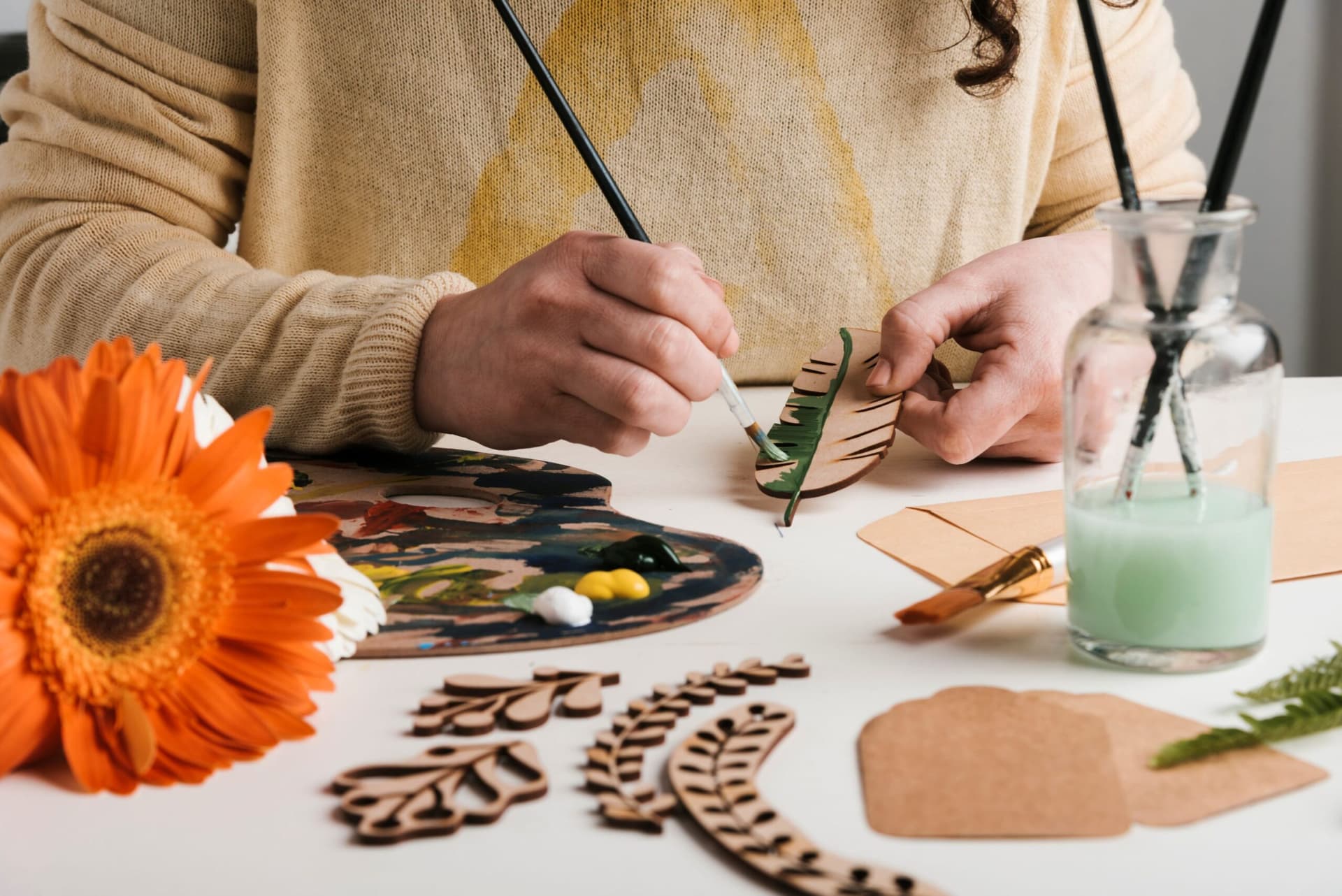
Many talented artists create beautiful work but struggle with one question: how to actually sell their paintings online. Traditional galleries can be difficult to access, and local markets limit exposure. Today, many artists want to sell handmade products online and connect directly with collectors around the world.
The shift toward digital art marketplaces has opened new possibilities for artists selling paintings online. Collectors now actively buy original paintings online, searching for unique work that carries authenticity and artistic identity. For artists, this means the opportunity to build a sustainable handmade business while sharing their work with a global audience.
This guide explores practical steps artists can take to present their paintings professionally online, attract buyers, and grow their presence in an authentic handmade marketplace.
Why More Artists Are Choosing to Sell Handmade Products Online
The art world has changed dramatically over the last decade. While galleries still play an important role, many artists now build their audience online first.
Selling paintings online offers several advantages.
First, it removes geographic limits. An artist in one country can reach collectors across continents. This global visibility helps artists grow faster than relying solely on local exhibitions.
Second, online platforms make art discovery easier. Buyers often search directly for original work, browsing curated collections and artist profiles. Many collectors prefer to buy original paintings online because they can explore diverse styles and emerging artists in one place.
Finally, digital marketplaces allow artists to build direct relationships with buyers. Instead of relying entirely on intermediaries, artists can share their story, inspiration, and creative process with their audience.
For many creators, this approach strengthens both artistic independence and long-term career growth.
How to Create a Professional Artist Profile That Attracts Buyers
A strong artist profile builds trust before a buyer even views a painting.
When collectors browse an online marketplace, they want to know the person behind the work. A thoughtful profile helps them understand the artist’s vision and authenticity.
Start with a short introduction that explains your artistic journey. Mention what inspires your work, your preferred medium, and the themes you explore. This story helps buyers connect emotionally with your art.
It also helps to include details such as:
- Your artistic background or training
- Materials and techniques you use
- The cultural or personal influences behind your work
Images of your studio or creative process can also strengthen your credibility. Buyers interested in artisan marketplace authenticity appreciate seeing how artwork is created.
A clear and honest profile helps position your paintings within an authentic handmade marketplace, where collectors value originality and craftsmanship.
How to Photograph Paintings for Online Listings
Online buyers rely entirely on visuals when deciding whether to purchase artwork. Clear, professional images are essential.
Good lighting is the first priority. Natural light works best because it preserves the true colors of the painting. Avoid harsh shadows or reflections that can distort the artwork.
The background should be simple and neutral. A plain wall or clean backdrop ensures the focus remains on the painting.
Artists should also include multiple image angles. These might include:
- A full front view of the painting
- A close-up showing brush texture
- A side angle displaying depth or framing
- A photo of the painting in a room setting
High-resolution images allow collectors to see details clearly. This transparency builds confidence for buyers who want to buy original paintings online but cannot view the artwork physically.
How to Write Artwork Descriptions That Help Paintings Sell
A strong artwork description does more than list details. It helps the buyer imagine the meaning and atmosphere behind the painting.
Start by briefly explaining the inspiration for the piece. This could include a landscape, cultural influence, personal memory, or emotional theme.
Next, provide clear information about the artwork:
- Medium (oil, acrylic, watercolor, mixed media)
- Dimensions
- Surface or canvas type
- Year of creation
You can also describe how the artwork may fit into different spaces. For example, mention whether the painting works well in a living room, studio, or office.
When artists selling paintings online provide thoughtful descriptions, buyers feel more confident about their purchase. This clarity reduces uncertainty and increases trust.
How to Price Original Paintings for Online Buyers
Pricing artwork online can feel challenging, especially for emerging artists.
A balanced pricing strategy considers several factors.
Materials are the most obvious cost. High-quality paints, canvases, and framing should always be included in the calculation.
Time and labor are equally important. Each painting reflects hours of creative work and experience developed over years.
Artists should also consider market demand and their current stage of recognition. Emerging artists often begin with accessible pricing while gradually increasing prices as their audience grows.
Shipping, packaging, and marketplace fees must also be factored into the final price.
Fair pricing helps artists maintain a sustainable handmade business while ensuring buyers understand the value of original artwork.
Where Should Artists Sell Handmade Paintings Online?
Artists have several options when deciding where to sell their work online.
Some creators use personal websites. This offers full control over branding but requires time and effort to attract traffic.
Social media platforms can help artists build visibility, but they often function better as marketing tools rather than dedicated sales platforms.
Online art marketplaces remain one of the most effective options. These platforms bring together artists and collectors in a structured environment.
Curated marketplaces are especially valuable because they emphasize quality and authenticity. They help maintain artisan marketplace authenticity, ensuring buyers are discovering genuine handmade work rather than mass-produced items.
Choosing the right platform can significantly impact an artist’s ability to reach serious collectors.
How Artists Can Reach Global Buyers for Their Paintings
Visibility is the key to reaching international buyers.
Consistency plays an important role. Artists who regularly upload new work and update their listings are more likely to appear in marketplace searches.
Clear titles and keywords also improve discoverability. Including phrases such as “original acrylic landscape painting” or “hand-painted abstract canvas art” helps buyers find relevant work.
Storytelling can further increase engagement. Artists who share the meaning behind their work often build stronger connections with collectors.
Over time, these small efforts contribute to broader recognition. As more buyers discover and share the artwork, artists gradually expand their reach beyond local audiences.
A New Era for Artists Selling Paintings Online
The internet has reshaped how art is discovered and appreciated. Artists no longer depend solely on galleries to reach collectors.
Today, creators can sell handmade products online, present their work directly to audiences, and build meaningful connections with buyers worldwide. Curated platforms help preserve authenticity while giving artists the opportunity to showcase their craft.
Platforms like AFOMA Marketplace support this shift by connecting artists with collectors who value genuine craftsmanship and original artwork.
For artists ready to share their creativity with the world, the digital marketplace offers a path toward both artistic visibility and sustainable growth.
FAQs
1. How do beginners start selling paintings online?
Beginners can start selling paintings online by creating a small portfolio, photographing artwork clearly, setting fair prices, and listing pieces on a trusted handmade art marketplace.
2. What information should artists include when selling paintings online?
Artists should include the painting title, dimensions, medium, inspiration, and high-quality images. Clear details help buyers understand the artwork and feel confident purchasing online.
3. Why do collectors prefer to buy original paintings online?
Many collectors buy original paintings online because they can discover unique artists worldwide, compare styles easily, and access curated marketplaces offering authentic handmade artwork.
4. How do artists build trust when selling paintings online?
Artists build trust by sharing clear artwork photos, detailed descriptions, artist stories, and authenticity details. Transparent listings help buyers feel confident purchasing original artwork online.
5. What helps artists reach global buyers for their artwork?
Artists reach global buyers by using strong product images, detailed descriptions, relevant keywords, and listing their work on authentic handmade marketplaces that attract international collectors.
