.png&w=1920&q=75)
- Date
Beyond Listings: How Brand Storytelling Turn Browsers Into Buyers
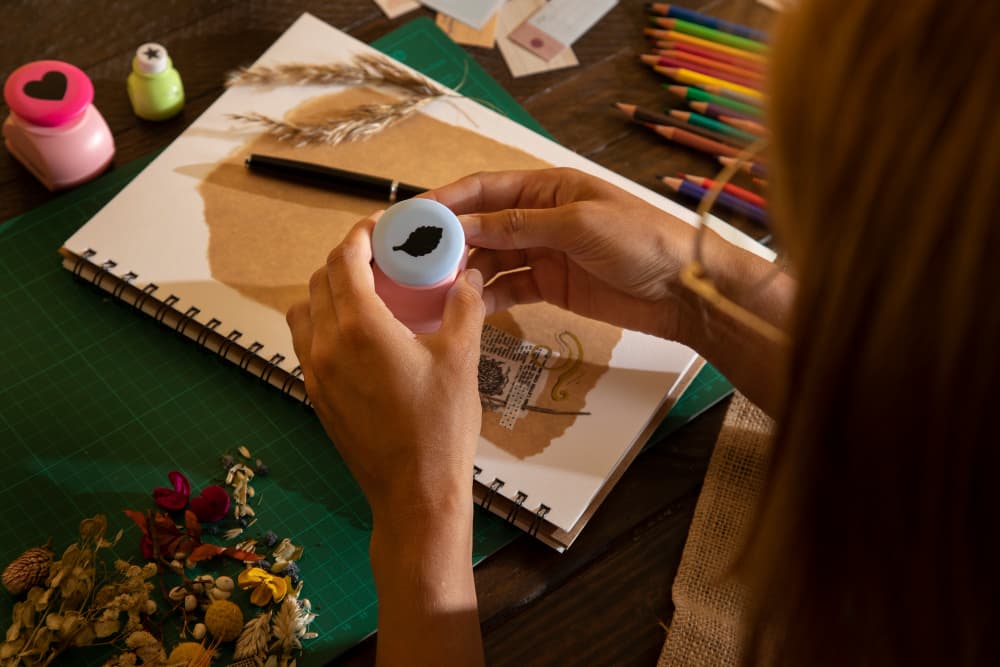
Listed handmade products often struggle to get adequate saves, inquiries, or purchases in the online marketplace. That’s not always a pricing or quality problem, but a marketing problem. Thousands of sellers offer similar designs, materials, and price points, yet only a few achieve consistent conversions and repeat customers.
In today’s crowded online marketplace for handmade products, brand storytelling is a strategic growth lever. It helps buyers understand not just what they’re purchasing, but why it matters.
For artisans and small business owners in the handicraft sector, it’s a way to honor craft, culture, and identity while building trust and long-term relationships with customers.
In this blog, you’ll learn to use storytelling as a competitive advantage—what to include, what to avoid, and how to craft product stories that connect, convert, and build a brand people remember.
What Is Brand Storytelling in a Handmade Business?
Brand storytelling is how you share the meaning behind your craft. It goes beyond product details and highlights the people, process, and purpose behind what you make.
In a handmade business, storytelling often includes:
- Who you are as a maker
- Where your craft comes from
- Why you create what you create
Unlike mass-produced goods, handicraft products carry personal and cultural significance. Storytelling helps buyers see that value clearly.
Why Brand Storytelling Matters in Handicraft Business Sector
Handmade product buyers rarely shop only for utility. They seek connection, authenticity, and purpose. Storytelling meets these emotional needs.
When done well, storytelling can:
- Increase trust in your brand
- Improve conversion rates
- Encourage repeat purchases
- Differentiate your products from factory-made alternatives
In a handmade online marketplace, stories help buyers remember you long after they leave the page.
How to Write Product Stories That Drive Purchase Decisions
Share the Origin Story
Every handmade item has a beginning. Talk about where the craft comes from. Mention traditions, influences, or personal experiences that shaped your work.
For example:
- A weaving technique passed down through generations
- A design inspired by local landscapes or culture
- A personal journey that led you to your craft
Origin stories create emotional resonance and authenticity.
Highlight the Process, Not Just the Product
Buyers are curious about how handmade items come to life. Describe your materials, techniques, and time investment.
This kind of product storytelling helps buyers understand why handmade goods cost more than mass-produced alternatives. It also builds appreciation for craftsmanship.
Show the Impact of Each Purchase
Customers want their purchases to be unique, one-of-a-kind, and inspiring. Share how your work supports communities, preserves traditions, or promotes sustainability.
Impact-driven storytelling strengthens trust and gives buyers a reason to choose your product over generic options.
Examples of Storytelling That Build Loyal Buyers
Consider two sellers offering similar handcrafted baskets.
- Seller A writes: “Handmade basket. Made of biodegradable materials. Durable and stylish.”
- Seller B shares: “This basket is woven by artisans in a coastal village using traditional palm leaves. Each piece takes two days to complete and supports local craft families.”
The second story creates a bond. It’s not just bluntly listed; it says who made the product and what story it carries. Buyers are more likely to return, recommend, and pay a premium.
Story-driven brands often attract customers who value authenticity and become long-term supporters.
Common Storytelling Mistakes Handicraft Sellers Should Avoid
Many artisans unintentionally miss opportunities to connect with buyers. Common mistakes include:
- Using generic phrases like “handmade with love” without context
- Ignoring visuals that support storytelling, such as process photos
- Writing overly technical descriptions with no emotion
- Skipping origin details and cultural background
- Copying template descriptions across products
Authentic stories do not need to be long. They need to be specific and touching.
How Storytelling Improves Discoverability on Handmade Marketplaces
Brand Storytelling also supports visibility. Rich, detailed descriptions naturally include keywords, context, and unique phrases that boost SEO and improve search performance.
Well-written stories can:
- Increase listing dwell time
- Improve search indexing within online marketplaces specific to Handicraft Products
- Differentiate your listings in organic search results
Search engines and marketplaces favor detailed, original content. Storytelling naturally delivers that depth.
Building a Brand Story Beyond Product Listings
Product pages are only one part of your narrative. A strong handmade brand story appears across touchpoints:
- About pages that share your journey
- Social media posts showing behind-the-scenes moments
- Packaging notes that thank buyers and share meaning
- Customer testimonials highlighting emotional connections
Over time, these elements create a cohesive identity that buyers recognize and trust.
List Your Stories for Sustainable Handmade Businesses
Storytelling honors the time, culture, and skill behind handmade goods. It transforms transactions into relationships and supports sustainable growth in business. Platforms like AFOMA Marketplace encourage artisans and small business owners in the handicraft sector to share their narratives and connect with global buyers who value authenticity and craft.
Explore ways to tell your story and deepen connections with your audience. Because, people who prefer handmade products don’t just shop with their eyes, but with their hearts!
FAQs
What is handmade business brand storytelling?
It is sharing the people, process, and purpose behind handmade products to build emotional connections and trust with buyers in the online marketplace.
How does storytelling help sell handmade products online?
Storytelling builds authenticity, increases buyer trust, and makes products memorable, leading to higher conversions and repeat purchases.
What should artisans include in their product storytelling?
Include origin, materials, process, cultural significance, and the impact of each purchase to create meaningful and authentic narratives.
Can storytelling increase repeat buyers in handmade businesses?
Yes. Buyers who connect emotionally with a brand story are more likely to return, recommend products, and build long-term loyalty.
How do handmade marketplaces use storytelling to build trust?
Marketplaces highlight artisan stories, cultural context, and ethical practices to reassure buyers about authenticity and value.
