.png&w=1920&q=75)
- Date
A Complete Guide to Handmade Jewelry Business
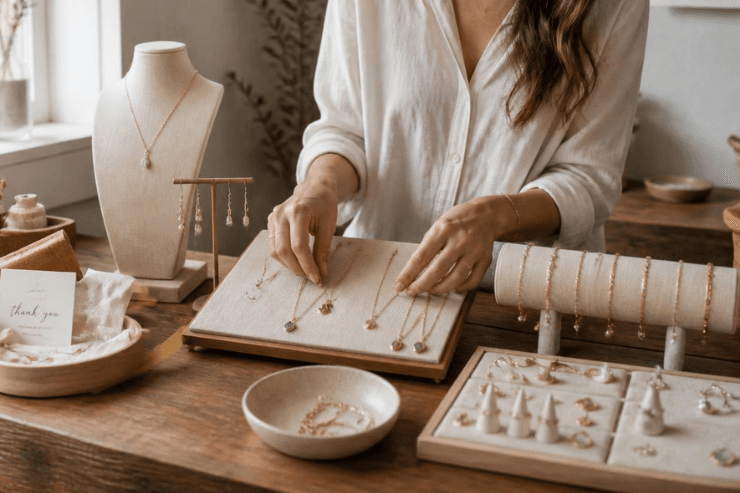
Many artisans create stunning handmade jewelry, yet struggle to turn that skill into steady income. Around the world, and especially among African artisans, incredible craftsmanship often stays overlooked in mainstream markets.
This isn’t about talent falling short. It’s about visibility, pricing, and presentation not always keeping pace with the craft itself. This blog breaks down what it actually takes to build that craft into a recognized business, and what it means to sell handmade products online with confidence.
Every Artisan Deserves Market Recognition
Beautiful work doesn’t always find the right audience on its own.
Craftsmanship rooted in tradition deserves visibility, not just admiration. Across regions, African artisans carry techniques passed down for generations, yet many remain underrepresented in wider markets.
Turning a craft into a business starts with understanding a few basics:
- How buyers discover new, independent sellers today
- What builds trust with someone buying online
- How presentation and pricing shape a buyer’s decision
These fundamentals apply whether you’re just starting out or already work to sell handmade products online.
Finding Your Niche in Handmade Jewelry
Not every piece serves the same purpose or audience. Knowing where your work fits makes it easier to reach the right buyers.
Consider where your work naturally fits:
- Fine jewelry versus statement pieces versus everyday wearables
- Designs inspired by African fashion culture or African clothing culture
- Occasion-based pieces, like festive, bridal, or everyday collections
Demand also varies by region. In markets like Canada, buyers increasingly value authenticity and cultural storytelling behind handmade pieces.
Categorizing your work by style, culture, or occasion makes it easier for the right buyers to find you.
Pricing Your Jewelry the Right Way
Pricing is where many new sellers hesitate the most.
A few things worth factoring in:
- Material costs, including metals, stones, or beads
- Time spent designing and creating each piece
- Skill level and technique involved
Underpricing is one of the most common early mistakes. It undervalues the craft and makes long-term growth harder to sustain.
A simple starting formula: materials plus time plus skill, then a fair margin on top.
The Silent Power of Good Visuals
Buyers can’t hold your jewelry before purchasing, so visuals do the convincing.
This matters even more for those who sell handmade products online, since photos often carry the entire first impression.
A few basics go a long way:
- Natural or soft lighting with a clean background
- Photos that show true scale and texture
- Multiple angles, especially for detailed pieces
For handmade accessories like jewelry, small details matter more in photos than in almost any other category.
Where to Sell: Afoma vs Personal Website
Both paths can work, depending on what a seller values most.
| Factor | AFOMA Marketplace | Personal Brand Website |
| Setup time | Quick, list within a few steps | Takes longer to design and launch |
| Technical skill needed | Minimal, platform handles the basics | Requires web design or development skills |
| Built-in buyer traffic | Existing buyers already browsing | Traffic needs to be built from scratch |
| Marketing effort | Shared visibility across the platform | Full marketing responsibility falls on you |
| Brand control | Some shared marketplace elements | Complete control over brand presentation |
An ecommerce marketplace suits sellers wanting quicker visibility, while a personal website suits those wanting full creative control. Neither path is better, just different priorities.
Building Trust With First-Time Buyers
Trust is what turns a browser into a buyer.
A few things that help:
- Clear, honest product descriptions
- Sharing your process or story as a maker
- Encouraging reviews from happy customers
First-time buyers often decide based on how transparent a seller feels, not just how a product looks.
Getting Your First Few Sales Moving
The first few sales rarely come from luck. They usually come from a few consistent, low-effort habits:
- Share new pieces with your existing network first, friends, family, and local community
- Post the making process on social media, not just the finished product
- Ask early buyers for honest feedback or a quick review
- Write listing descriptions with the words buyers actually search for, not just technical details
None of this needs to be loud or constant. Small, steady visibility often works better than one big promotional push.
Mistakes That Can Slow Down Sales
Small oversights can quietly hold a business back.
Watch out for:
- Inconsistent pricing or vague product descriptions
- Skipping thoughtful packaging and presentation
- Missing small touches, like a handwritten “thank you” note with every order
- Going quiet on communication after a sale is made
These details seem minor but often shape whether a buyer returns. Anyone hoping to sell handmade products online long-term usually finds that consistency, more than any single big move, is what builds a loyal customer base over time.
The Craft Is Yours, So Is the Next Move
Turning handmade jewelry into a real business isn’t about one big leap. It’s built through small, consistent choices: knowing your niche, pricing fairly, presenting well, and earning trust one buyer at a time.
You don’t need to start from scratch. Start with what you already have, then build from there, piece by piece.
Platforms like AFOMA Marketplace exist because artisans deserve space where their craft can be seen and valued. Wherever you choose to sell, take a moment to look closely at your own work and ask what story it’s ready to tell next.
Frequently Asked Questions
1. How much does it cost to start a handmade jewelry business?
Startup costs vary based on materials and tools chosen. Many artisans begin small with affordable supplies, then reinvest earnings into better materials as demand for their handmade jewelry grows.
2. What makes handmade jewelry different from mass-produced jewelry? Handmade jewelry carries individual craftsmanship, slight variations, and a maker’s personal touch. Mass-produced pieces are uniform and machine-made, lacking the story that comes from work made entirely by hand.
3. How do I price my handmade jewelry fairly?
Factor in material costs, time spent, and skill level, not just competitor pricing. Underpricing is common early on, so calculating true costs helps ensure pricing reflects the actual effort involved.
4. Is it better to sell on a marketplace or build my own website?
Both have advantages. An online store for handmade items built through a marketplace offers built-in traffic, while a personal website offers full brand control. The right choice depends on your priorities.
5. How can I build customer trust as a new jewelry seller?
Share clear product details, your process, and your story as a maker. Genuine communication and honest descriptions help first-time buyers feel confident purchasing from a new seller.
